Two patients can have the same Norwood classification—but that doesn’t mean they need the same number of grafts.
Differences in head size, bald surface area, miniaturization, donor supply and treatment goals can significantly change the surgical plan.
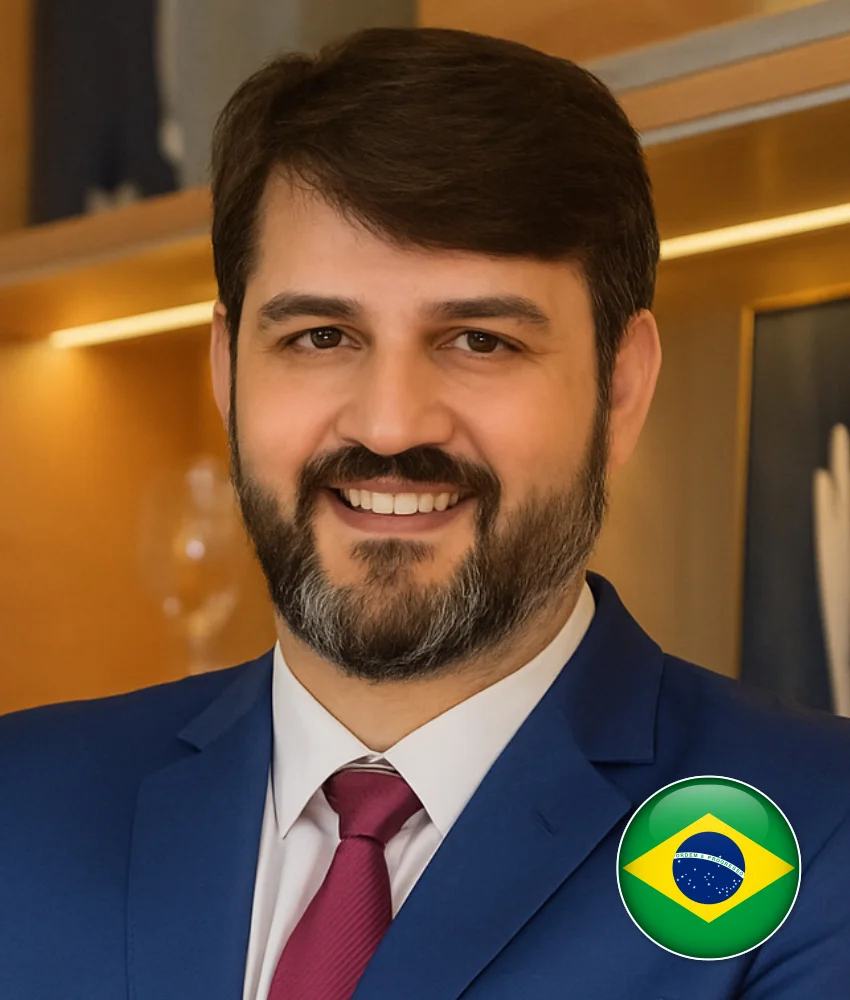
In Video 4 of our exclusive series, Felipe Pittella, MD, demonstrates how ScalpScan.ai combines artificial intelligence and LiDAR technology to create realistic 3D scalp models and bring more quantitative information into hair transplant planning.
In this video, you’ll learn how ScalpScan.ai can help:
Measure bald surface area in 3D rather than relying solely on a traditional hair-loss classification
Estimate graft requirements based on the individual patient’s scalp measurements and degree of miniaturization
Assess donor resources, including scalp and beard donor areas, to help plan both current and potential future procedures
Adjust surgical strategy in real time based on available grafts, desired coverage, hairline placement and patient limitations
Improve patient communication and expectation-setting by visually walking patients through the proposed strategy and documenting the discussion
See how AI neural networks and LiDAR-equipped mobile devices are being incorporated into the planning process
Dr. Pittella also walks through clinical examples showing why patients with the same Norwood classification may require substantially different graft numbers—a great illustration of the limitations of planning by classification alone.
[Watch Video 4: ScalpScan.ai – AI-Powered 3D Planning for Hair Transplant Surgery]
Conclusion
As technology continues to evolve, artificial intelligence is giving hair restoration physicians new ways to quantify what was once largely estimated—helping support more individualized surgical planning and clearer conversations with patients.
Coming next: In the final video of the series, we move from planning to surgery with Gram-X, an advanced motorized FUE system designed to bring greater control and precision to graft extraction.
Want access to more physician-led education in hair restoration?
[Become an ISHRS Member]